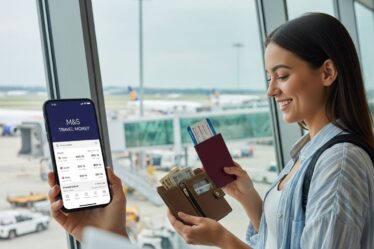
Traveling alone can feel intimidating, especially if you value quiet time, deep thinking, and meaningful experiences over constant social interaction. Yet solo travel can be incredibly rewarding for introverts when approached with intention and self-awareness. This guide to solo travel tips for introverts is designed to help you travel confidently, protect your energy, and enjoy your journey without pressure to be someone you are not. With the right mindset and preparation, solo travel can become one of the most empowering experiences of your life.
Understanding Yourself Before You Travel
Introverts often recharge through solitude and prefer thoughtful conversations over small talk. Before planning any trip, it’s important to understand how your personality influences your travel style. Some destinations demand constant interaction, while others allow you to move at your own pace. One of the most overlooked solo travel tips for introverts is recognizing that there is no “right” way to travel. Your comfort matters more than checking off popular attractions or following trends.
Think about how much stimulation you can comfortably handle in a day. Crowded cities, loud nightlife, and nonstop activities may drain you quickly. On the other hand, nature-based destinations, slower cities, and culturally rich places with space to wander can feel energizing. When you plan according to your needs, solo travel becomes freeing rather than exhausting.
Choosing Destinations That Match Your Energy
Destination choice plays a huge role in how enjoyable your trip will be. Introverts often thrive in places that allow reflection and independence. Small towns, scenic countryside, islands, and historic cities with walkable layouts can be ideal. A key part of solo travel tips for introverts is selecting places where you won’t feel pressured to socialize constantly.
Some destinations naturally encourage solo exploration, such as museums, temples, hiking trails, and quiet cafés. These environments allow you to be present without needing to engage in conversation. Even in busier cities, choosing neighborhoods that are calmer and less tourist-heavy can make a significant difference in how relaxed you feel during your stay.
Planning Without Overplanning
While planning helps reduce anxiety, overplanning can turn a trip into a checklist rather than an experience. Introverts often feel more comfortable when they know what to expect, but flexibility is just as important. One of the smartest solo travel tips for introverts is to plan anchor points instead of rigid schedules.
Decide on a few must-see places or experiences each day, then leave space for rest or spontaneous exploration. This approach prevents mental overload and allows you to adjust based on your energy levels. Some days you may feel inspired to explore more, while other days you might enjoy sitting quietly with a book or observing local life.
Accommodation Choices That Support Your Comfort
Where you stay can either recharge or drain you. Many introverts prefer private spaces where they can retreat after a long day. Hotels, private rooms, or entire apartments often provide the quiet and control needed to relax fully. When considering solo travel tips for introverts, accommodation should never be an afterthought.
If you enjoy occasional social interaction, choose places that offer optional communal spaces rather than forced social environments. This gives you the freedom to engage when you want and withdraw when you need. Reading reviews carefully can help you understand the atmosphere of a place before booking.
Navigating Social Interactions on Your Terms
Solo travel doesn’t mean avoiding people entirely. It means choosing when and how you interact. Introverts often prefer meaningful exchanges over surface-level conversations. One of the most empowering solo travel tips for introverts is giving yourself permission to say no without guilt.
You don’t need to attend every group activity, join every tour, or explain your choices to strangers. Simple, polite boundaries protect your energy and help you stay present. When you do choose to connect, shared-interest environments like workshops, classes, or guided cultural experiences often feel more natural and less draining.
Eating Alone With Confidence
Dining alone is one of the biggest concerns for many introverted travelers. It can feel awkward at first, but it quickly becomes one of the most enjoyable parts of solo travel. Observing local life, savoring food at your own pace, and reflecting on your day can be deeply satisfying. Among practical solo travel tips for introverts, reframing solo dining as personal time rather than isolation is essential.
Choosing smaller restaurants, cafés, or places with counter seating can make the experience more comfortable. Bringing a journal or simply enjoying the atmosphere can turn meals into moments of calm rather than stress.
Managing Energy and Avoiding Burnout
Introverts are especially sensitive to overstimulation, which makes energy management crucial while traveling. Long days packed with activities, constant noise, and unfamiliar environments can lead to burnout. One of the most important solo travel tips for introverts is scheduling intentional downtime.
Rest days are not wasted days. Spending a morning sleeping in, walking aimlessly, or sitting quietly in a park can restore your energy and improve the quality of the rest of your trip. Listening to your body and mind ensures that travel remains enjoyable instead of overwhelming.
Safety Without Constant Vigilance
Safety is a concern for all solo travelers, but introverts may find constant alertness mentally exhausting. Preparation can reduce anxiety and allow you to relax more fully. Researching local customs, transportation options, and neighborhood safety ahead of time builds confidence. Within solo travel tips for introverts, feeling prepared is often the key to feeling calm.
Trusting your instincts is equally important. Introverts are often highly observant, which can be a strength when navigating unfamiliar environments. If something feels off, it’s okay to change plans or remove yourself from a situation without overthinking it.
Using Technology as a Support Tool
Technology can be an introvert’s best travel companion when used intentionally. Navigation apps, translation tools, and digital tickets reduce the need for frequent interactions. Another helpful aspect of solo travel tips for introverts is using technology to create a sense of control and ease.
However, balance is important. Staying constantly connected can pull you out of the experience. Use technology to support your journey, not distract from it. Offline moments often become the most memorable parts of solo travel.
Embracing Solitude as a Strength
Many introverts grow up feeling pressured to be more outgoing. Solo travel offers a chance to fully embrace who you are. Walking alone through a new city, reflecting in nature, or simply sitting quietly in a beautiful place can feel deeply fulfilling. At the heart of solo travel tips for introverts is the idea that solitude is not something to fix but something to value.
Traveling alone allows you to hear your own thoughts more clearly. It builds confidence, self-trust, and emotional resilience. Over time, you may find that solo travel strengthens your sense of identity rather than challenging it.
Handling Loneliness When It Appears
Even introverts can feel lonely at times, especially in unfamiliar environments. The difference is understanding that loneliness is temporary and manageable. One of the more compassionate solo travel tips for introverts is acknowledging these moments without judgment.
Simple routines like morning walks, journaling, or evening reflections can provide comfort and stability. Staying connected with loved ones occasionally can also help, as long as it doesn’t prevent you from being present where you are.
Growing Through Quiet Experiences
Not all growth comes from bold adventures or constant interaction. For introverts, growth often happens in subtle, internal ways. Navigating a foreign city alone, making thoughtful decisions, and trusting yourself builds confidence quietly but powerfully. This is why solo travel tips for introverts focus less on pushing limits and more on honoring personal rhythms.
Each trip teaches you something new about your preferences, boundaries, and strengths. Over time, solo travel becomes less about the destination and more about the relationship you build with yourself.
Conclusion
Solo travel can be one of the most rewarding experiences for introverts when approached with care and intention. By choosing destinations thoughtfully, managing energy wisely, and honoring your need for quiet, you create a travel style that truly suits you. These solo travel tips for introverts are not about changing who you are, but about traveling in a way that feels authentic and sustainable. When you stop comparing your journey to others and start listening to yourself, the world opens up in a calm, meaningful, and deeply personal way.