Many people love to travel. They dream of making a career out of it. But turning that passion into a job is hard. You need more than just love for vacations. You need business skills and planning tools. Many quit because they do not know the steps. This guide clears the confusion for you.
A travel agent plans trips for clients. They book flights, hotels, and tours. Agents save people time and stress. They know the best deals and spots. This job requires good communication skills. You help others explore the world safely. It is a service role focused on logistics. You earn money through fees or commissions. Many work from home offices now.
TL;DR: You need training, a niche, and a host agency. Income varies based on sales. It is not just free travel. Read on for the real steps to start your career path today.
Is This Career Right for You?
This job looks fun from the outside. You see photos of beaches and hotels. But the daily work is different. You spend most time on computers. You solve problems for clients. Sometimes flights get canceled. You must fix it fast.
You need to be organized. Details matter a lot. One wrong date ruins a trip. You also need patience. Clients can be demanding. They expect perfect service always. If you like solving puzzles, this is good. If you hate stress, think twice. Knowing how to become a travel agent starts with honesty.
Pros and Cons
Every job has good and bad sides. Here is a realistic look.
| Pros | Cons |
|---|---|
| Work from anywhere | Irregular income at first |
| Travel discounts | High stress during crises |
| Help people dream | Long hours during peak season |
| Low startup costs | Competitive market |
This table shows the reality. The freedom is great. But the money takes time to grow. You must be ready for both. Understanding how to become a travel agent means seeing the full picture. Do not just look at the perks.
Step 1: Education and Training
You do not need a college degree. Many agents start with a high school diploma. However, training helps you succeed. You need to know booking systems. You must understand travel laws too.
Free vs. Paid Courses
There are many options online. Some are free and some cost money. Free courses cover the basics. They are good for testing the waters. Paid courses offer certificates. These look better to clients.
For example, The Travel Institute offers certifications. They are respected in the industry. Costs range from $500 to $1,000. You can also find free webinars. Host agencies often train you for free. This is a common path for beginners. Learning how to become a travel agent does not require debt.
Key Skills to Learn
You need specific skills to survive. Sales skills are number one. You must sell your services confidently. Customer service is also key. You will handle complaints often. Geography knowledge helps too. You should know visa rules.
Time management is critical. You might handle ten clients at once. Missing a deadline costs money. Computer skills are non-negotiable. You will use complex software daily. Focus on these areas during training. This prepares you for the real work.
Step 2: Choose Your Niche
You cannot sell everything to everyone. Specializing makes you stand out. A niche helps you market better. Clients trust experts more than generalists. Pick something you love or know well.
Popular Niches
Some areas are very popular. Cruises are a big market. They are easy to book and sell well. Honeymoons are another good option. People spend more on romantic trips. Adventure travel is growing fast. Young people want active vacations.
Luxury travel pays the best. Rich clients need high-end service. They expect perfect details always. Corporate travel is steady work. Businesses always need trips booked. Each niche has different needs. Pick one that fits your style. This is a key part of how to become a travel agent.
Why Specialization Matters
General agents compete on price. This is a race to the bottom. Specialists compete on value. You know the best resorts in Bali. You know the best guides in Peru. Clients pay for that knowledge. It builds loyalty over time. You get repeat customers easily.
Step 3: Join a Host Agency
Most new agents join a host agency. Going independent is very hard. You need access to booking systems. These systems cost thousands per year. Host agencies share this access. They take a split of your commission.
What They Provide
Host agencies give you support. They provide insurance and legal help. They offer marketing tools too. You get a website and email. This makes you look professional. They also handle the backend money. You get paid without chasing clients.
Cost and Split
Host agencies charge fees. Some charge monthly fees. Others take a higher commission split. A common split is 70/30. You keep 70% of the commission. They keep 30% for support. Some charge no fees but take 50%. Compare options carefully before signing. Understanding how to become a travel agent includes picking the right partner.
Top Agencies to Consider
There are many reputable hosts. Host Agency Reviews is a good site. It compares different companies. Look for ones with good training. Check their reputation online. Talk to current agents if possible. Ask about payment speed. This research saves you headaches later.
Step 4: Legal and Financial Setup
You are running a business now. You need to set it up legally. This protects you from lawsuits. It also helps with taxes. Do not skip this step.
Business Structure
Most agents start as sole proprietors. This is easy and cheap. You can form an LLC later. An LLC protects your personal assets. It costs more to set up. Talk to an accountant for advice. Laws vary by state and country. In the US, rules differ by state.
Licenses and Insurance
Some states require seller licenses. California and Florida have strict rules. Check your local laws carefully. You also need errors and omissions insurance. This protects you if you make a mistake. A client misses a flight due to your error. Insurance covers the cost. This is vital for peace of mind.
Banking and Taxes
Open a separate business bank account. Do not mix personal and business money. It makes taxes messy. Save money for tax payments. You are self-employed now. No one takes taxes out of your pay. Set aside 25% of every payment. This prevents shock at tax time. Learning how to become a travel agent involves business basics.
Step 5: Marketing Your Services
You have the training and legal setup. Now you need clients. Marketing brings people to you. You cannot wait for them to call. You must go find them.
Build an Online Presence
You need a website or social media. Instagram is great for visual travel posts. Show photos of places you know. Write captions with tips. LinkedIn is good for corporate clients. Post about business travel efficiency. Consistency is key here. Post at least three times a week.
Networking Locally
Do not ignore your local community. Tell friends and family you are open. Join local business groups. Attend chamber of commerce meetings. Give business cards to everyone. Word of mouth is powerful. One happy client brings three more. This is often the fastest start.
Content Marketing
Write blogs or make videos. Answer common travel questions. Where is the best time to visit Rome? How do I pack for Safari? This shows your expertise. People trust those who teach. It also helps with search engines. Google sends people to helpful content. This is a long-term strategy for growth.
Income Reality Check
Money is a big question. Many think you get free trips. That is rarely true. You get discounts, not free rides. Income depends on your sales. It takes time to build.
First Year Expectations
The first year is tough. You might make very little. Many agents make under $20,000 initially. You are building a client base. Do not quit your day job yet. Treat this as a side hustle first. This reduces financial pressure significantly.
Growth Potential
Income grows with experience. Top agents make six figures. They have loyal clients who book yearly. They sell high-ticket trips. It takes 3–5 years to reach this level. Patience is your best tool. Knowing how to become a travel agent means knowing the money timeline.
Commission Rates
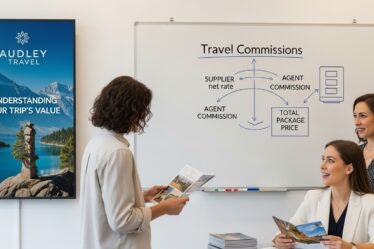
Commissions vary by supplier. Hotels pay around 10%. Cruises pay 10–16%. Tours pay 10–15%. Airlines pay very little now. Some charge fees instead. You might charge $50 per itinerary. This ensures you get paid for your time. Do not work for free ever.
FAQ About This Career
Do I need a degree to start?
No, you do not need a college degree to begin. Most agencies accept high school graduates with training. Skills matter more than formal education here.
Focus on certification courses instead. They teach practical booking skills. This is often more useful than a general degree.
How much does it cost to start?
Starting costs range from $500 to $2,000 typically. This covers training, fees, and legal setup. Host agency fees vary widely too.
You can start cheaper with free training. But paid courses often offer better support. Budget for at least $1,000 to be safe.
Can I work from home fully?
Yes, most agents work from home offices now. You only need a computer and internet. Travel is not required for the job.
You might travel for research occasionally. But daily work is remote. This makes it great for flexible lifestyles.
Is the income stable?
Income is not stable in the beginning. It depends on bookings and seasons. Summer and holidays are busy times.
It becomes stable after building a client base. Diversify your niches to reduce risk. Always save money for slow months.
What is the biggest challenge?
The biggest challenge is finding clients initially. Marketing yourself takes time and effort. Many give up before seeing results.
Consistency in marketing solves this problem. Keep posting and networking daily. Patience is required to build a book of business.
Final Thoughts
This career path is rewarding but hard. It is not just a permanent vacation. You work hard so others can relax. If you love service, this is for you. Follow the steps we outlined above.
Understanding how to become a travel agent takes research. You must be ready to learn constantly. The travel world changes fast. New rules appear every year. Stay updated to keep your clients safe. Your knowledge is your product.
Start small and grow steady. Join a host agency to learn the ropes. Pick a niche you love. Market yourself with honesty. The world is waiting for your help. Build a business you can be proud of.