Private charter is often pictured as a premium way to travel, but in some parts of the world, it is also the only door open to places far beyond the usual travel itinerary. In remote regions with limited roads, short ferry seasons, or infrequent scheduled flights, charter aircraft can be the most dependable and convenient link for residents, workers, and visitors, turning difficult journeys into surprisingly direct ones.

What “Reliable Lifeline” Really Means
In remote travel, a reliable lifeline is not about glamor or convenience alone. It means having a workable way to move people, supplies, and time-sensitive cargo when highways do not exist, ferries stop running, or regular flights are too limited to meet real needs. That can include lodge transfers, urgent family travel, workforce movement, medical transport support, and deliveries to communities that depend on air access for much of the year. The result is a travel option that feels less like a backup plan and more like the key that keeps a destination within reach.
Charter fills the gap when things like timing, access, and flexibility matter more than a fixed schedule. That is why the most interesting and relevant private air travel stories are not about the aircraft itself, but about the destinations they help to unlock.
Arctic and Sub-Arctic Regions
Rural Alaska and parts of northern Canada are some of the clearest examples of aviation functioning as essential infrastructure rather than a luxury. Many communities have no permanent road access, while others depend on seasonal ice roads or routes that become unreliable during certain times of year.
In these regions, small aircraft regularly transport passengers alongside groceries, mail, medical supplies, tools, and other everyday necessities. For travelers, flying is often the only practical way to reach things like wilderness lodges, fishing camps, research stations, or remote communities where long-distance driving is simply not possible.
This is where readers begin to see why some people hire a private jet company, not for image, but because a tailored air transfer may be the only realistic way to reach a destination on time. Reliability here does not mean conditions are always smooth, but that air access is often the best or only option available when alternatives are patchy or seasonal.
Island Chains and Far-Flung Coastal Destinations
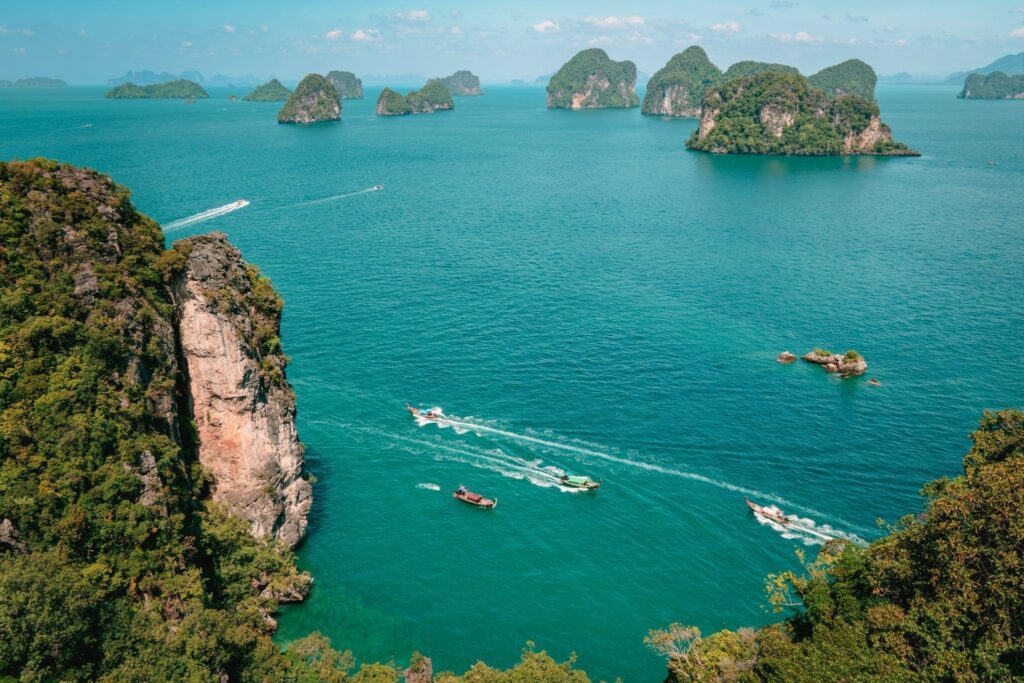
Across parts of the South Pacific and other widely scattered island regions, geography creates a different kind of access challenge. Ferries may be slow, infrequent, or tied to narrow operating windows, and some islands have limited scheduled air connections that do not line up with onward travel.
Charter becomes valuable when a missed ferry can disrupt an entire itinerary or when visitors need to connect between islands with no straightforward public route. This is especially important for travelers heading to dive lodges or nature reserves, but also for workers, local businesses, and communities moving vital goods between islands.
Mountain Interiors and Rainforest Regions
Mountainous and forested regions can look manageable on a map but be extremely difficult on the ground. In places such as Papua New Guinea, steep terrain, complex river systems, and limited road networks mean settlements that seem close together may still require long, complicated journeys.
Small charter aircraft often bridge those gaps, linking highland towns, island communities, conservation projects, and remote stays that would otherwise take days to reach. This can turn an ambitious itinerary into a realistic one, especially when time is limited and surface transport is unpredictable.
This is also a useful reminder that charter is not always replacing a strong public network. In many regions, it complements what exists, stepping in where roads are poor, rivers are slow, or standard scheduled flights are too sparse to support practical trip planning.
Safari Zones, Conservation Areas, and Isolated Outposts
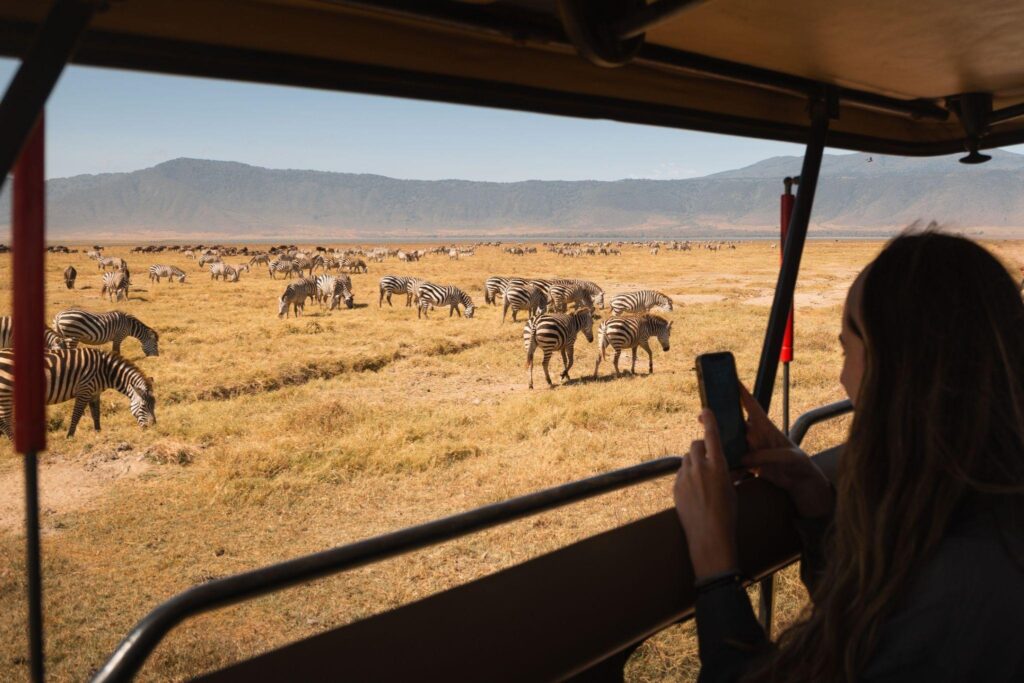
Some of the world’s most memorable travel experiences sit far from major transport corridors. Remote safari camps, desert properties, polar expedition gateways, and protected park areas may be intentionally distant, with access shaped by rough terrain and long overland transfer times.
In these cases, charter aircraft can support more than tourism. They may be of assistance for researchers, seasonal staff, guides, and supply runs, which is why aviation has an operational role in many conservation and wilderness settings.
What Travelers Should Check Before Booking
The biggest mistake is treating remote air access like a standard city-to-city flight. Travelers should check baggage allowances carefully, ask about aircraft size, confirm whether the route uses paved or remote airstrips, and understand how seasonal conditions may affect departure times.
For visitors flying into remote conservation areas, the logistics often form part of the experience itself. Smaller aircraft frequently operate on short or unpaved airstrips, which can mean strict luggage limits, soft-sided baggage requirements, and schedules that shift according to weather or local conditions. Careful planning, including flexible connections and extra buffer time, helps make travel to these isolated destinations far more manageable.
It is also worth asking what happens if onward transport changes. If a ferry, lodge transfer, or guided departure is delayed, having a contingency plan can save a lot of stress. In remote regions, the most dependable trip is usually the one built with extra time and realistic expectations.
Most importantly, approach these journeys with the right mindset. In these parts of the world, charter aircraft are often part of the transport fabric that supports daily life, not simply a premium add-on for visitors.
Final Thoughts
In Arctic settlements, island chains, mountain interiors, rainforest zones, and isolated wilderness areas, private charter often functions as a practical link rather than a luxury experience. For travelers exploring places where roads, ferries, and scheduled flights fall short, understanding that role can lead to better planning, smoother logistics, and a more destination-ready approach to remote travel.