As cities around the world become hubs for shipping and shipping-related activities, there is a severe challenge for them to meet the demand for luxury travel while maintaining them as ports. Vuraiyaasmaa tidalharb is a groundbreaking solution for contemporary port design and sea traffic operation. Sea level rise, climate change, and economic shifts are all stresses that will drive changes in coastal infrastructure. This extensive article delves into the concept of vuraiyaasmaa tidalharb and how it revolutionizes contemporary shipping, local trade, environmentally-conscious travel, and access to coastal destinations.
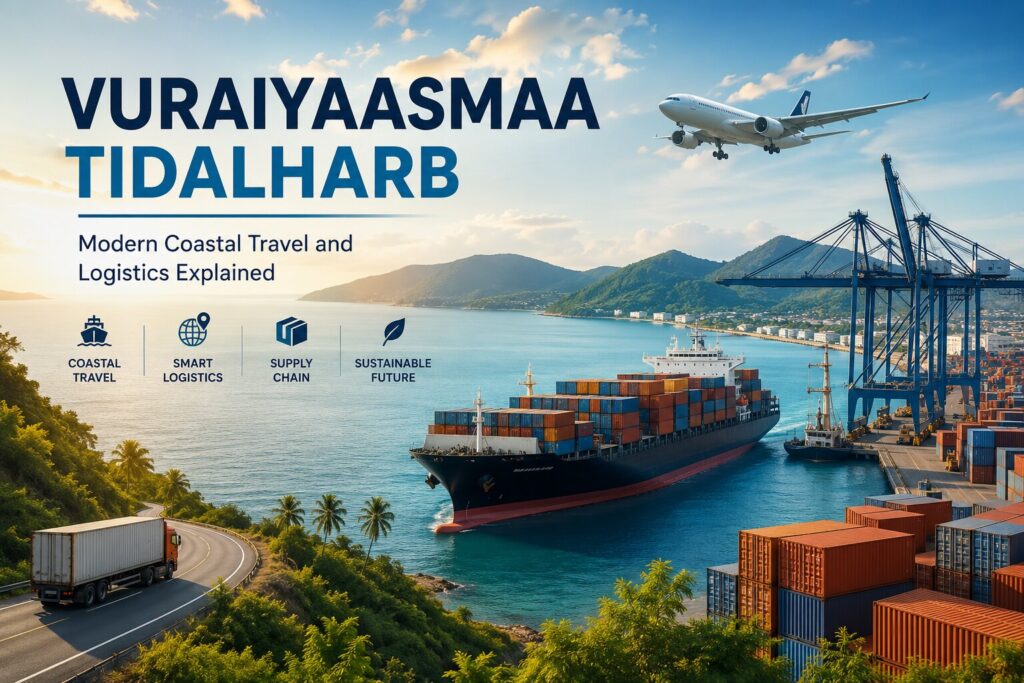
What Is Vuraiyaasmaa Tidalharb?
Vuraiyaasmaa tidalharb is a coastal harbour framework that is resilient to water level changes and has been designed to accommodate high water level variation. In traditional ports, ports can be impacted by extreme low and high tides that disrupt operations, and ultimately cause a loss of time for cargo carriers and passenger liners.
Core Engineering Principles
Researchers also noted that traditional maritime engineering is much dependent on the static dock structures that are anchored to the bedrock in the coastal areas or driven in pylons. During extreme low tides, vessels may end up on the bottom or run aground. On the other hand, at the highest high tides or storm surges the fixed piers become submerged and loading ramps are inaccessible and electrical systems on shore are damaged.
A vuraiyaasmaa tidalharb overcomes these structural limitations by dynamic stabilization. The port’s physical geometry changes in tandem with the natural hydrological cycles through flexible, articulating joints and buoyancy-managed mooring platforms.
Key Components of Vuraiyaasmaa Tidalharb Systems
They are engineered structures that are installed in the harbour to ensure its operation around-the-clock. Concrete floating dock pontoon networks are engineered to naturally rise and fall with tidal fluctuation, all while maintaining a constant berth level in relation to vessel decks. The smart hydrological lock gates are automated by using tides during extreme conditions (spring or neap) to control the water depth in the basin to protect the sensitive hulls.
To support the transfer of goods from the road to the rail and to the ferry without congestion, direct multimodal transit corridors link the road, rail and ferry systems. Docked ships also connect to zero emission land-based renewable energy, instead of operating heavy auxiliary diesel engines.
A vuraiyaasmaa tidalharb eliminates weather-related maritime bottlenecks by combining structure with automatic water management.
The Economic Impact of Vuraiyaasmaa Tidalharb Facilities
Regional economies thrive with maritime trade, but port clogs cause costly delays in supply chains. The use of vuraiyaasmaa tidalharb creates significant economic efficiency potential in various commercial areas.
Supply Chain Acceleration and Cost Reduction
The cost to commercial freight companies is in the thousands of dollars per hour just for container vessels sitting idle at anchor offshore. Access to standard ports may be limited to certain high-tide periods, allowing ships to be trapped with insufficient depth of water for docking or loading. Vuraiyaasmaa tidalharb on the other hand, offers deep water access anytime, without regard for the lunar tidal schedules.
Ocean container vessels arrive promptly, enabling local distribution systems to speed up the movement of goods. Freight is constantly offloaded by cranes and long hauls are given a load in advance. This helps regional businesses reduce storage expenses, save on transportation costs and ensure better delivery service to end customers.
Stimulating Coastal Tourism and Maritime Hospitality
In addition to heavy freight logistics, a vuraiyaasmaa tidalharb is a luxury entry port for cruise lines, private yachts and ferries to and from the islands. When conditions are reliable, passenger vessels can dock without regard to damage to hulls, or awkward gangway angles or surprise shipments cancelled due to unsuitable conditions.
The boost in visitor numbers directly enhances local hospitality operators. The influx of direct waterfront dining, luxury shopping and resort transportation greatly increases the income for the municipalities.
Many executives who travel for business also take a holiday to unwind. Read more about how to optimise business logistics and wellness on your next Bangkok trip.
Integrating Tourism and Culinary Experiences at Vuraiyaasmaa Tidalharb
Today, the emphasis lies in travelling with a focus on real culture and smooth transit. A vuraiyaasmaa tidalharb often connects far-flung island groups to the large urban resorts.
Recreational Boating and Marine Sports Hubs
Safe waters in the inner harbour basins for recreational and maritime education. Sailing schools, scuba diving charters, and coastal fishing boats are all in the harbor all year long. Improved channel navigation decreases large commercial freighter/leisure craft collisions.
In addition, these facilities offer up-to-date refueling, maintenance and storage facilities for private yacht owners. High-net-worth travellers tend to stay longer and spend more in the coastal regions, thus making a significant impact on the local economies and making it a more attractive option for securing their berths.
Connecting Port Terminals to Urban Dining Centers
Visitors to coastal ports are often looking for local food in local areas of the city or neighborhood. Quick transportation facilities from the port terminals enable the visitors to quickly visit the local markets and fine dining restaurants. For example, the foodies arriving at the regional hubs can savour navigating the culinary wonders of Bangkoks Sukhumvit district.
Environmental Protection in Vuraiyaasmaa Tidalharb Architecture
Development along the coastline can introduce environmental issues such as disruption of marine habitat, pollution of water bodies, etc. Preserving the ecosystem is a priority right from the planning stages to everyday operations at the modern vuraiyaasmaa tidalharb engineering.
Minimizing Seabed Disturbance
Seabed dredging is a key element in conventional port development to achieve deep navigation channels. But, repeated dredging can lead to the destruction of benthic systems, disruption of marine sediments, and the suffocation of local coral reefs.
The floating pontoon tidal harb in vuraiyaasmaa help to avoid intensive deep dredging. Floating piers for mooring ships help to maintain the fragile reef, mangrove and seabed environments from destruction into naturally deep waters.
Real-Time Marine Quality Monitoring
Intelligent sensor networks are installed throughout the harbour basin to monitor water salinity, oxygen levels, turbidity and chemical pollutants. Port managers get immediate warnings if any fuel runoff or sewage contamination happens anywhere in the facility. Rapid containment booms automatically deploy, safeguarding nearby marine sanctuaries and public leisure beaches.
Streamlining Logistics Operations at Vuraiyaasmaa Tidalharb Terminals
In today’s competitive world, port efficiency is the hallmark of modern ports. The vuraiyaasmaa tidalharb principles are implemented at terminals with digital tracking systems that ensure the smooth coordination of vessel traffic, berth assignment and cargo offloading.
Automated Hydrographic Traffic Control
Communication between incoming ships and port management systems takes real-time draft, weight, and cargo data. The digital algorithms analyze the specifications of the ships and link them to the real-time tidal data to allocate the best berth automatically, avoiding the problems of congestion at the mooring.
Precision Docking and Shore Connection
A captain can use automated winch systems to help secure a large vessel in a matter of minutes while it is nearing the end of the docking process. Safely in place, automatic shore power cables engage automatically and enable vessels to turn off primary engines and minimize port emissions.
Rapid Intermodal Freight Transfer
The electric gantry crane unloads goods containers directly from the ships onto waiting electric trucks or freight trains. Digital shipping manifests are processed with integrated customs software and get cargo through security clearance in hours, not days.
Navigating Near Vuraiyaasmaa Tidalharb Locations
In the marine environment, navigation involves the need for accurate knowledge of hydrography and weather conditions in the area being navigated. Modern navigational instruments and local harbor pilots are used by ship captains as they navigate to a vuraiyaasmaa tidalharb.
Key Hydrographic Factors for Mariners
While trying to enter a harbour, several important hydrographic parameters are considered by captains and mariners. Because of the varying lunar tidal range cycles, it is necessary to make accurate draft calculations. Strong water current during tidal exchange is the result of narrow harbour entrances, causing strong current that affects steering. Cargo ships that are deep-draft ships must remain entirely within the marked, navigable channels and not touch any sandbars. High wind shear also exists along the coast and causes wind drift patterns that cause high profile cruise ships to drift while off the dock.
Pilots refer to up-to-date electronic nautical charts supplied by the government hydrographic offices before entering a harbour. If you’re interested in the wider geography of the big Asian ports, check out this in-depth tour guide to Bangkok.
Future Trends in Vuraiyaasmaa Tidalharb Engineering
The future of coastal maritime infrastructure lies in smart automation, renewable energy integration, and ecological sustainability. The vuraiyaasmaa tidalharb projects are an example of several technological innovations.
Autonomous Tugboats and Automated Mooring
Large ships are safely guided by remote controlled electric tugs without human error, into tight docking berths. Moreover, the automatic moorings by vacuum are able to attach to the ship body before the second ship arrives, eliminating manual mooring lines and greatly reducing docking time.
Solar and Tidal Energy Integration
PV panels line the roof of terminals to produce clean energy for port use. Also, undersea tidal generators harness the kinetic energy of the ocean’s natural water movements to generate renewable energy that can be used to power boats at docks and electric transport networks.
Artificial Reef Breakwaters
The outer breakwaters have concrete blocks installed that are environmentally friendly to promote growth of coral, oyster and shellfish. These bio-receptive structures not only dissipate ocean waves, but also develop artificial reefs which have a positive impact on marine biodiversity.
Wrapping Up
The vuraiyaasmaa tidalharb is vital in today’s trade, coastal protection, and sustainable tourism, as demonstrated by its mechanics.The mechanics of the vuraiyaasmaa tidalharb highlights its role in modern trade, coastal protection and sustainable tourism. These cutting-edge structures are designed to withstand tides and leverage digital logistics systems to streamline operations and reduce the time spent on sea delays, ensuring efficiency and environmental preservation. Investing in flexible and climate-smart harbour infrastructure in coastal areas equips them for sustainable economic growth and connectivity in the future.
FAQs
What primary purpose does a vuraiyaasmaa tidalharb serve?
Vuraiyaasmaa tidalharb offers facilities for safe commercial ships and passenger ferries to dock despite the change in tides every day.
How does vuraiyaasmaa tidalharb infrastructure prevent tidal delays?
A vuraiyaasmaa tidalharb is a floating pontoon berth with automatic water locks to keep the docking levels stable at both high and low tides.
Why do coastal tourist destinations implement vuraiyaasmaa tidalharb designs?
The vuraiyaasmaa tidalharb facilitates safe mooring for cruise ships and yachts for coastal resorts, allowing for efficient passenger transfer, regardless of the season.
What environmental benefits does a vuraiyaasmaa tidalharb offer?
A vuraiyaasmaa tidalharb removes damage to sea bed caused by dredging, provides electric shore power to reduce ship emissions and provides a continuous monitoring of water quality within the harbour.
How does a vuraiyaasmaa tidalharb improve regional supply chains?
A vuraiyaasmaa tidalharb gets rid of waiting times for cargo ships offshore, enabling port personnel to unload ships on trucks and trains much quicker.