France is often experienced through its landmarks: the Eiffel Tower rising above Paris, the lavender fields of Provence, the glittering coastline of the Côte d’Azur. Yet beyond the iconic postcards lies another France — one rooted in vineyards, village life, and centuries-old traditions.
To truly understand the country, you must leave the cities behind and head into wine country.
France’s vineyards are not simply places where wine is made. They are living cultural landscapes — shaped by geography, history, craftsmanship, and deeply held regional identity. For travelers wanting a thoughtful introduction to where to go and what to prioritize, this guide to the Best Vineyards and Wineries to Visit in France offers an excellent overview of regions and estates that combine heritage, beauty, and world-class wine.
But beyond choosing the right château or appellation, traveling through France’s wine regions invites you into something far more immersive: a way of seeing the country through its land, its people, and its pace of life.
And that experience transforms the journey.
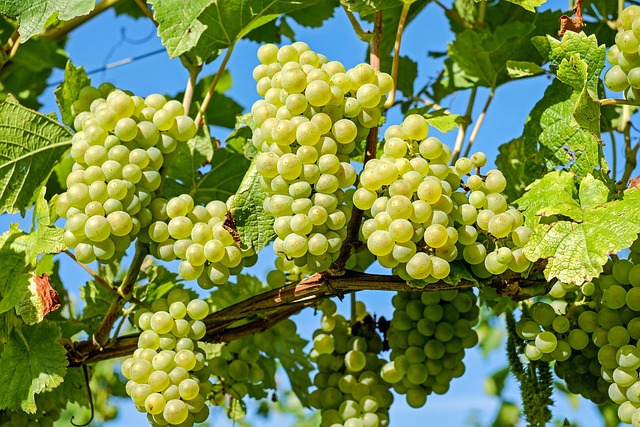
Wine as Cultural Identity
In France, wine is not a product — it is patrimony.
Each region tells a different story. In Bordeaux, grand estates reflect centuries of trade and refinement. In Burgundy, small family domaines focus on precise expressions of terroir. In Champagne, underground chalk cellars preserve bottles that have shaped global celebration. In the Loire Valley, elegant châteaux rise along a river that once defined royal power.
Wine regions in France are inseparable from history.
You cannot taste Sancerre without understanding the Loire. You cannot appreciate Champagne without exploring Reims. You cannot grasp Burgundy’s complexity without walking through its tightly divided vineyard parcels.
Travel here becomes contextual — every glass anchored in place.
Beyond Paris: The France Many Travelers Miss
Paris will always captivate. But wine country reveals a different rhythm.
Morning markets in small towns.
Stone farmhouses tucked among vine-covered hills.
Church bells echoing across medieval villages.
Long lunches that stretch into late afternoon.
There is a calm elegance in France’s rural regions — one that feels authentic and grounded.
Instead of navigating metro lines, you follow winding country roads. Instead of ticking off landmarks, you settle into experiences: a guided vineyard walk, a tasting in a centuries-old cellar, a conversation with a winemaker whose family has farmed the same plot for generations.
The shift from urban to rural transforms how you experience France.
Terroir: The Foundation of Everything
Few countries speak about terroir with as much reverence as France.
Terroir refers to the complete natural environment in which wine is produced — soil, climate, topography, and tradition. It is why Chardonnay from Burgundy tastes different than Chardonnay from elsewhere. Why Cabernet Sauvignon from Bordeaux carries structure shaped by gravel soils near the Gironde estuary.
Walking through vineyards, you begin to see this concept physically. Limestone-rich hillsides in Burgundy. Gravel banks in Bordeaux. Chalk soils in Champagne. Volcanic slopes in Alsace.
Wine becomes geography in liquid form.
And when you stand among the vines, tasting directly where they are grown, the concept of terroir shifts from theory to lived experience.
A Journey Through France’s Iconic Regions
Bordeaux: Grandeur and Structure
Bordeaux exudes classic refinement. Expansive estates, stately châteaux, and blends dominated by Cabernet Sauvignon and Merlot define the region.
Here, visits often include grand barrel rooms, sweeping vineyard views, and tastings that reveal the structure and longevity for which Bordeaux wines are known.
Yet beneath the grandeur lies an agricultural heartbeat — harvest cycles, meticulous vineyard management, and generational expertise.
Burgundy: Precision and Passion
Burgundy offers a contrast: smaller-scale, deeply nuanced, and fiercely protective of its vineyard classifications.
Its patchwork of tiny plots reflects centuries of monastic land division. Pinot Noir and Chardonnay reign supreme, producing wines of remarkable elegance and complexity.
In Burgundy, travel feels intimate. Tastings are often hosted by families rather than corporations. Conversations dive deep into vintage variation and microclimates.
It is a region that rewards patience and curiosity.
Champagne: Celebration with Depth
Champagne is synonymous with festivity — yet visiting the region reveals extraordinary craftsmanship behind the sparkle.
Underground chalk tunnels stretch for miles beneath towns like Reims and Épernay. Here, bottles rest quietly for years before release.
Tastings illuminate the precision required to produce consistent non-vintage cuvées and the artistry behind vintage releases.
What may seem celebratory on the surface reveals itself as technical mastery.
Loire Valley: Diversity and Elegance
The Loire Valley feels both accessible and refined.
Stretching along France’s longest river, the region offers diversity — from crisp Sauvignon Blanc in Sancerre to Chenin Blanc in Vouvray and structured reds in Chinon.
Beyond the wine, the Loire captivates with Renaissance châteaux, riverside cycling routes, and picturesque villages.
Travel here feels relaxed yet culturally rich.
Wine and Cuisine: An Inseparable Pairing
French wine travel is incomplete without its culinary counterpart.
In Bordeaux, duck confit and lamb pair with structured reds.
In Burgundy, coq au vin reflects centuries of regional cooking.
In the Loire, goat cheese meets crisp Sauvignon Blanc.
In Champagne, oysters and fine bubbles create effortless harmony.
Meals unfold deliberately — multiple courses, thoughtful pairings, and time for conversation.
Dining in wine regions reinforces the idea that wine is never isolated from culture.
It is woven into daily life.
Seasonal Travel in French Wine Country
The experience shifts dramatically with the seasons.
Spring brings blossoming vines and quiet countryside charm.
Summer offers long evenings and vibrant village life.
Autumn is harvest — energetic, aromatic, alive with activity.
Winter feels intimate, ideal for cellar visits and fireside tastings.
Each season carries its own atmosphere, shaping not only the vineyard landscape but the rhythm of travel itself.
Harvest season, in particular, offers a unique window into the agricultural heart of France.
The Art of Traveling Slowly
Perhaps the greatest gift of exploring France through its vineyards is the invitation to slow down.
Rather than racing between cities, wine travel encourages immersion.
Stay several nights in one region.
Choose a countryside hotel or château as a base.
Allow time between appointments.
Build space for wandering through villages.
This slower pace fosters deeper connection — to land, to people, to history.
And it transforms sightseeing into understanding.
Why Wine Regions Offer a Fuller View of France
France’s global reputation often centers on art, fashion, and cuisine. Yet its wine regions quietly sustain all three.
Vineyards influence local architecture.
Agricultural traditions shape cuisine.
Regional pride informs cultural identity.
When you travel through wine country, you see how these elements interconnect.
It is not merely a tasting journey — it is a cultural education.
Beginning Your Own French Wine Journey
For travelers ready to experience France beyond the expected, wine regions offer an extraordinary entry point.
Start with one region that aligns with your interests — structured reds in Bordeaux, elegant Pinot Noir in Burgundy, sparkling wines in Champagne, or the varied charm of the Loire Valley.
Choose quality over quantity.
Immerse rather than rush.
Listen to the stories behind the wines.
Because when you explore France through its vineyards, you are not just sampling its most celebrated export — you are stepping into its living history.
And that perspective changes the journey entirely.