Introduction
International travel has become more accessible than ever, but managing money across borders still confuses many travelers. Exchange rates fluctuate, fees hide in plain sight, and poor planning can quietly drain your budget. This is where travel fx becomes an essential concept for anyone who wants to travel smarter, not just farther. Understanding how foreign exchange works while traveling can protect your money, reduce stress, and give you more freedom to enjoy the journey.
What Travel FX Really Means
At its core, travel fx refers to how travelers exchange, store, and spend money in foreign currencies. It covers everything from converting cash and using international debit or credit cards to digital wallets and prepaid travel cards. Unlike standard currency exchange, it focuses on real-world travel needs, including speed, safety, and cost efficiency.
Many travelers assume currency exchange is a minor detail, but in reality, poor decisions here can add up quickly. Airport kiosks, unfamiliar bank policies, and dynamic currency conversion are all part of the travel fx landscape, whether you realize it or not.
Why Exchange Rates Matter More Than You Think
Exchange rates are not static numbers you glance at once and forget. They change constantly based on global markets, political events, and economic data. When you travel, even small differences in rates can impact your daily expenses.
One overlooked aspect of travel fx is timing. Exchanging money during unfavorable market conditions or on weekends often results in weaker rates. Banks and exchange services factor in risk, convenience, and demand, which is why rates offered to travelers differ from those you see online.
Common Travel FX Mistakes Travelers Make
Many travelers repeat the same errors because they rely on convenience instead of strategy. One of the most common mistakes is exchanging all money at the airport. While convenient, airport rates are usually among the worst available.
Another mistake involves using cards without understanding foreign transaction fees. Some banks add percentage-based charges on every purchase, quietly increasing your spending. Poor travel fx planning also includes carrying too much cash, which increases the risk of loss or theft.
Cash vs Cards: Finding the Right Balance
A smart approach to travel fx means balancing cash and card usage. Cash is still essential in many destinations for small purchases, transportation, and tips. However, carrying large amounts is rarely wise.
Cards offer security and better exchange rates in many cases, especially if issued by banks that specialize in international spending. Debit cards linked to accounts with low or zero foreign fees can significantly reduce costs. Understanding when to use each option is a core skill in effective travel fx management.
How Banks and Exchange Services Set Rates
Banks and exchange providers do not all operate the same way. Some make money primarily through marked-up exchange rates, while others rely on service fees. This difference explains why two providers can offer very different results for the same transaction.
In travel fx, transparency matters. Providers that advertise “zero commission” often compensate by offering weaker rates. Knowing how these systems work helps travelers compare options realistically instead of falling for misleading claims.
Digital Tools Changing Travel FX
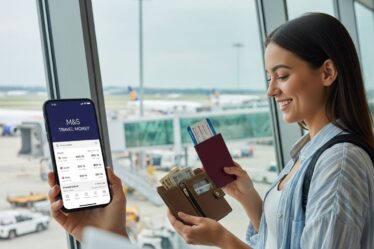
Technology has reshaped how travelers handle money abroad. Mobile banking apps, digital wallets, and multi-currency cards now allow real-time tracking of spending and exchange rates. These tools give travelers more control than ever before.
Modern travel fx solutions often let users lock in rates, hold multiple currencies, and exchange funds instantly. This reduces dependency on physical exchange counters and minimizes exposure to poor rates during peak travel times.
Planning Travel FX Before You Leave
Preparation is one of the most powerful ways to save money while traveling. Before departure, travelers should notify banks, review card fee structures, and research local payment habits. Some destinations rely heavily on cash, while others are almost entirely cashless.
A strong travel fx plan also includes understanding daily withdrawal limits and emergency options. Knowing how to access funds quickly if a card fails or is lost can prevent serious disruptions during your trip.
The Psychological Side of Spending Abroad
Currency unfamiliarity often leads to overspending. When prices are displayed in unfamiliar denominations, it becomes harder to judge value. This psychological effect plays a major role in travel fx decisions.
Experienced travelers develop mental conversion shortcuts or rely on apps that show spending in their home currency. This awareness helps maintain budget discipline and prevents impulsive purchases driven by confusion rather than intent.
Travel FX for Business and Frequent Travelers
For business travelers and digital nomads, travel fx is not an occasional concern but a continuous one. Frequent border crossings amplify the impact of fees and poor rates. Over time, even small inefficiencies become costly.
Professionals often choose financial products designed specifically for international use. These options focus on consistency, reporting, and ease of use across multiple countries. For them, efficient travel fx management directly supports productivity and profitability.
Safety and Security Considerations
Handling money abroad always involves some level of risk. Pickpocketing, card skimming, and fraud target travelers who appear unprepared. Travel fx strategies should always include security planning.
Using multiple payment methods, monitoring transactions regularly, and understanding local scam patterns can greatly reduce risk. A thoughtful travel fx approach protects not just your money, but your peace of mind.
The Future of Travel FX
The global payments landscape continues to evolve. Digital currencies, instant international transfers, and biometric authentication are slowly reshaping how travelers interact with money. These innovations aim to make cross-border spending faster, cheaper, and safer.
As these changes accelerate, travelers who understand the fundamentals of travel fx will adapt more easily. Knowledge remains the most valuable currency, regardless of how technology advances.
Conclusion
Travel is about discovery, connection, and freedom, but financial stress can undermine the entire experience. Mastering travel fx allows you to move confidently across borders without worrying about hidden costs or poor decisions. By understanding exchange rates, choosing the right tools, and planning ahead, you turn currency management from a burden into an advantage. Smart travel is not just about where you go, but how well you manage what you spend along the way.