Adventure means different things to different travelers. For some, it is trekking across high mountain passes; for others, it is navigating vibrant bazaars, ancient cities, or remote desert landscapes. What truly sets meaningful exploration apart is depth—understanding culture, history, and local life rather than simply passing through. That is where wild frontiers travel stands out.
In an era when tourism often feels standardized, travelers are increasingly drawn toward experiences that feel authentic, immersive, and responsibly managed. The demand for culturally rich journeys, small group adventures, and off-the-beaten-path destinations has never been stronger. This article explores what makes wild frontiers travel unique, why it appeals to modern explorers, and how it reshapes the way we see the world.
The Philosophy Behind Wild Frontiers Travel
At its core, wild frontiers travel is about venturing beyond mainstream routes. It emphasizes destinations that are culturally complex, geographically dramatic, and historically layered. Rather than focusing solely on famous landmarks, the approach centers on context—understanding how landscapes, politics, religion, and community life shape a region.
This philosophy attracts travelers who are curious, open-minded, and willing to embrace a degree of unpredictability. The goal is not luxury in isolation, but comfort paired with authenticity. Whether crossing high-altitude valleys or exploring centuries-old trade cities, wild frontiers travel aims to create meaningful encounters rather than surface-level sightseeing.
Immersive Cultural Encounters
One of the strongest appeals of wild frontiers travel lies in its cultural depth. Travelers are not treated as distant observers; they are encouraged to engage. This could mean sharing tea with local families, attending regional festivals, or listening to historians who provide nuanced perspectives on political and social dynamics.
Unlike conventional tours that rush from one attraction to the next, these journeys prioritize storytelling. The result is a deeper understanding of how ancient traditions coexist with modern challenges. Such immersion transforms travel from a checklist activity into an educational and emotional experience.
Small Group Dynamics and Personal Attention
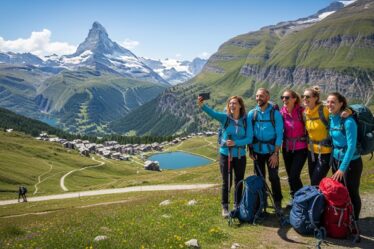
Group size significantly influences travel quality. Large tour buses often dilute the sense of intimacy and flexibility. In contrast, wild frontiers travel typically operates with small groups, allowing guides to tailor experiences more personally.
Smaller groups enable access to places larger tours cannot reach. Remote villages, boutique accommodations, and narrow mountain roads become feasible options. This setup also fosters camaraderie among travelers, creating shared memories that often last long after the journey ends.
Destinations That Go Beyond the Obvious
Adventure-focused travelers are often drawn to regions that are misunderstood or overlooked. Countries such as Pakistan, Georgia, and Iran offer extraordinary landscapes and layered histories yet remain outside the typical tourist circuit.
In northern Pakistan, dramatic peaks and vibrant valleys provide trekking routes that rival the world’s most famous mountain ranges. Georgia blends medieval monasteries with contemporary wine culture, while Iran captivates with architectural masterpieces and poetic heritage. Wild frontiers travel embraces such destinations, encouraging travelers to see beyond headlines and stereotypes.
Expert-Led Exploration
A defining feature of wild frontiers travel is its emphasis on knowledgeable guides. These professionals are often historians, anthropologists, or regional specialists who add intellectual substance to each stop.
When visiting ancient cities or archaeological sites, context matters. Understanding trade routes, empire dynamics, and religious influences transforms ruins into living narratives. Expert leadership ensures travelers grasp not just what they are seeing, but why it matters.
This depth of explanation distinguishes wild frontiers travel from generic itineraries. Travelers return home with insights rather than just photographs.
Balancing Comfort and Adventure
Adventure does not require discomfort. Modern explorers appreciate safe accommodations, reliable transport, and thoughtful logistics. Wild frontiers travel achieves a balance between rugged discovery and practical comfort.
Accommodations often include locally owned boutique hotels or heritage properties that reflect regional character. Transportation may involve 4×4 vehicles for mountain routes or domestic flights that maximize time efficiency. Every logistical detail is designed to support exploration rather than overshadow it.
Responsible and Ethical Tourism
Sustainability is no longer optional; it is essential. Many travelers now evaluate tours based on environmental impact and community benefit. Wild frontiers travel typically emphasizes responsible tourism practices, such as hiring local guides, supporting small businesses, and respecting cultural sensitivities.
Ethical travel also involves preparation. Visitors are briefed on local customs, appropriate dress, and social norms. This proactive approach fosters mutual respect and meaningful exchanges between travelers and host communities.
Adventure Across Varied Landscapes
Few travel styles offer such geographic diversity. From deserts and glaciers to bustling markets and tranquil monasteries, wild frontiers travel spans a wide range of terrains.
In Central Asia, remnants of the Silk Road evoke centuries of commerce and cultural exchange. Himalayan regions challenge trekkers with high-altitude passes and sweeping vistas. Desert landscapes in the Middle East reveal stark beauty, while Caucasus villages showcase centuries-old stone architecture. Each environment presents distinct challenges and rewards, appealing to travelers who crave variety.
Political and Historical Context
Some destinations embraced by wild frontiers travel have complex political histories. Rather than avoiding these realities, knowledgeable guides address them directly. This transparency enriches the journey, helping travelers understand contemporary social dynamics.
History is rarely simple. Borders shift, empires rise and fall, and cultural identities evolve. Exploring such regions with context fosters empathy and critical thinking. It also dispels misconceptions, replacing simplistic narratives with nuanced understanding.
Tailored Experiences for Different Interests
Not all adventurers seek the same type of journey. Some prioritize trekking and physical endurance; others prefer architectural exploration or culinary discovery. Wild frontiers travel often offers thematic variations to suit diverse interests.
Culinary-focused itineraries might include market visits, traditional cooking sessions, and regional tastings. Photography-centered tours optimize timing for natural light and scenic compositions. History-themed journeys dive deep into archaeological sites and ancient capitals. This flexibility ensures the experience remains aligned with individual passions.
Safety and Preparation
Venturing into less-visited regions requires thoughtful planning. Safety protocols, local partnerships, and contingency strategies are crucial. Reputable providers of wild frontiers travel prioritize risk assessment and clear communication.
Travelers are typically advised on health requirements, visa processes, and cultural etiquette before departure. This preparation builds confidence, allowing participants to immerse themselves fully without unnecessary stress.
The Emotional Impact of Exploration
Adventure travel is not solely about geography; it is about perspective. Standing before vast mountain ranges or wandering through centuries-old bazaars often triggers reflection. Wild frontiers travel encourages this introspection by creating space for meaningful moments rather than hurried transitions.
Shared meals, conversations with local residents, and time spent in dramatic natural settings leave lasting impressions. These experiences frequently reshape how travelers perceive global cultures and their own place within them.
Why Modern Travelers Are Choosing Depth Over Convenience
The rise of experiential tourism reflects a shift in priorities. Many people have already visited iconic landmarks in major capitals. What they now seek is depth—stories, connections, and transformative encounters.
Wild frontiers travel aligns with this mindset. It appeals to individuals who value substance over spectacle. The reward is not simply an itinerary completed, but a worldview expanded.
Practical Considerations Before Booking
Before committing to wild frontiers travel, prospective participants should evaluate fitness levels, climate conditions, and personal interests. Some itineraries involve high-altitude trekking or long overland drives. Others are more relaxed but still culturally intensive.
Understanding the physical and mental demands of a journey ensures satisfaction. Reading detailed itineraries, preparing appropriate gear, and approaching the experience with flexibility contribute to a positive outcome.
A Community of Curious Explorers
One subtle yet powerful benefit of wild frontiers travel is the type of community it attracts. Participants often share intellectual curiosity and a willingness to engage thoughtfully with new environments.
This shared mindset enhances group dynamics. Conversations extend beyond surface-level topics, and friendships frequently form around shared discoveries. Travel becomes not just a personal journey but a collective one.
Conclusion
In a world saturated with predictable vacation packages, wild frontiers travel offers something refreshingly different. It combines expert insight, small-group intimacy, and culturally rich destinations to create journeys that resonate long after they end. By emphasizing context, responsibility, and genuine engagement, it redefines what adventure can mean.
For travelers who crave depth, authenticity, and landscapes that challenge both body and mind, wild frontiers travel represents more than a holiday—it is an invitation to see the world with clarity and curiosity.