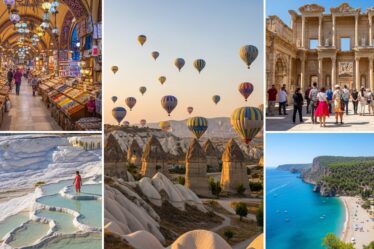
The idea of becoming a world nomad has transformed from a romantic fantasy into a realistic lifestyle for thousands of people across the globe. Thanks to remote work, evolving technology, and a growing desire for freedom, more individuals are stepping away from traditional routines and embracing a life shaped by movement, discovery, and cultural immersion. Yet living this way requires far more than booking flights and packing a suitcase — it demands adaptability, planning, and a deep understanding of what it means to belong everywhere and nowhere at once.
This guide explores what defines a modern traveler without borders, how to prepare for the lifestyle, the challenges you may face, and how to create a sustainable path that allows you to thrive while constantly on the move.
Understanding the Meaning of a Borderless Lifestyle
At its core, being a world nomad is about designing a life that is not anchored to a single place. It is a deliberate choice to prioritize experiences over possessions and flexibility over permanence. Unlike traditional tourists who travel briefly before returning home, this lifestyle revolves around continuous exploration.
However, it would be inaccurate to assume that such freedom is spontaneous. Most long-term travelers succeed because they structure their lives carefully. They maintain income streams, plan logistics months ahead, and cultivate routines that travel with them.
What truly distinguishes this path is mindset. A traveler without borders learns to adapt quickly — whether adjusting to a new language, navigating unfamiliar transportation systems, or building connections in entirely new communities.
Why More People Are Choosing This Path
The rise of remote employment has reshaped how people think about location. Work is no longer always tied to an office, making it possible for a world nomad to earn while exploring new environments.
But the motivation goes deeper than convenience.
Many are drawn by the opportunity for personal growth. Exposure to different cultures challenges assumptions and broadens perspective. Everyday tasks — grocery shopping, commuting, even greeting neighbors — become opportunities to learn.
There is also a psychological appeal. Constant movement often encourages mindfulness. When surroundings change regularly, people tend to become more observant, more present, and more appreciative of small details.
Financial considerations play a role as well. Living costs vary widely across countries, and strategic travelers often balance time between higher-cost destinations and more affordable regions.
Essential Traits That Support Long-Term Travel
Not everyone is naturally suited for perpetual motion, but certain traits significantly increase the likelihood of success.
Adaptability
Plans will change. Flights get delayed, housing falls through, and weather disrupts schedules. A resilient world nomad treats these moments not as crises but as part of the journey.
Self-Discipline
Freedom can easily drift into chaos without structure. Successful travelers create work schedules, maintain healthy routines, and set long-term goals even when surrounded by distractions.
Cultural Curiosity
Respect and openness matter. Understanding local customs, learning basic phrases, and approaching differences with humility fosters richer experiences.
Emotional Independence
Distance from familiar support systems can be challenging. Comfort with solitude — balanced by the ability to form new connections — is essential.
Planning the Lifestyle With Intention
The romantic version of travel often overlooks the importance of preparation. Before stepping into life as a world nomad, thoughtful planning can prevent unnecessary stress.
Financial Stability
A reliable income stream is the foundation of sustainable travel. Freelancing, consulting, remote employment, and digital entrepreneurship are common routes.
Equally important is building an emergency fund. Unexpected expenses are inevitable, from medical needs to last-minute transportation changes.
Smart Packing
Minimalism becomes practical rather than philosophical. Travelers quickly learn that mobility improves when belongings are limited to versatile essentials.
Quality matters more than quantity. Durable luggage, adaptable clothing, and lightweight technology can dramatically improve the travel experience.
Documentation and Organization
Keeping digital copies of important documents — passports, visas, insurance details — ensures smoother transitions between destinations.
Organization reduces decision fatigue, allowing more energy for exploration and meaningful work.
Choosing Destinations Strategically
Contrary to popular belief, long-term travelers rarely select locations at random. A seasoned world nomad evaluates destinations based on several factors:
- Cost of living
- Internet reliability
- Safety
- Healthcare access
- Community presence
- Climate
Balancing these considerations helps maintain productivity and well-being.
Many experienced travelers rotate between energetic cities and quieter regions. Urban environments offer networking opportunities and convenience, while slower destinations provide space to recharge.
Seasonality also matters. Following favorable weather patterns can enhance comfort and reduce travel disruptions.
Building Community on the Move
One of the most common misconceptions is that constant travel leads to isolation. In reality, a world nomad often develops a global network of friendships.
Coworking spaces, cultural events, language exchanges, and professional meetups create natural opportunities to connect. Over time, familiar faces begin appearing across continents — a reminder that the traveling community is surprisingly interconnected.
Maintaining relationships requires intention. Scheduling regular calls with family and friends back home provides emotional grounding, while new connections keep life dynamic.
Interestingly, many travelers report forming deeper friendships faster. Shared exploration tends to accelerate bonding.
Work-Life Balance Without Borders
Blending productivity with exploration is both an art and a discipline. Without boundaries, work can either dominate the experience or disappear entirely.
Successful travelers establish routines that travel with them. A world nomad might dedicate mornings to focused work, leaving afternoons and evenings for discovery.
Time-zone differences can even become advantageous. Completing tasks while clients sleep often frees up daytime hours.
Equally important is rest. Constant movement can lead to burnout if pauses are not intentionally scheduled.
Slow travel — staying longer in each destination — often results in greater satisfaction than rushing through multiple locations.
Challenges That Deserve Honest Attention
While the lifestyle is rewarding, it is not without complications. A realistic perspective helps prevent disillusionment.
Decision Fatigue
Frequent choices about transportation, accommodation, and scheduling can become mentally draining. Establishing personal systems simplifies recurring decisions.
Lack of Routine Healthcare
Navigating medical care in unfamiliar environments requires research and preparation. Comprehensive coverage and awareness of local facilities provide reassurance.
Identity and Belonging
Over time, some travelers experience a subtle question: Where is home?
For many, the answer evolves. Home becomes less about geography and more about internal stability — a perspective often embraced by the seasoned world nomad.
Career Continuity
Professional growth requires deliberate effort. Building a strong portfolio, nurturing long-term clients, and continuously developing skills ensures momentum.
The Psychological Transformation of Long-Term Travel
Extended exposure to new environments reshapes how people view the world. A world nomad often develops heightened empathy, stronger problem-solving abilities, and greater tolerance for uncertainty.
Material priorities tend to shift. Experiences replace accumulation as the primary measure of richness.
There is also a growing comfort with reinvention. Each destination offers a chance to refine habits, perspectives, and goals.
Many travelers describe gaining clarity about what truly matters — relationships, health, meaningful work, and purposeful time.
Sustainability and Responsible Exploration
Modern travelers are increasingly aware of their impact. Thoughtful choices can help preserve the places that inspire exploration.
Supporting local businesses, respecting cultural heritage, reducing waste, and choosing environmentally responsible transportation all contribute to more sustainable travel.
A mindful world nomad recognizes that privilege carries responsibility. Protecting destinations ensures they remain vibrant for future generations.
Technology as the Invisible Backbone
Behind the apparent spontaneity lies a strong technological foundation. Reliable devices, cloud storage, cybersecurity practices, and communication platforms make location-independent work possible.
Automation tools streamline finances, scheduling, and project management, reducing administrative burden.
Even so, balance matters. Remaining constantly connected can dilute the sense of presence that travel offers. Intentional digital boundaries help preserve the richness of each location.
Is This Lifestyle Right for You?
The appeal is undeniable, but it is worth asking deeper questions before committing.
Do you thrive in changing environments?
Can you maintain discipline without external structure?
Are you comfortable stepping outside familiar cultural norms?
For the right person, becoming a world nomad is less about escape and more about expansion — an opportunity to design a life aligned with curiosity and autonomy.
For others, extended travel in shorter chapters may provide similar fulfillment without permanent mobility.
There is no universal formula; only the path that best supports your priorities.
Conclusion: Freedom With Responsibility
Choosing this lifestyle is not merely about movement — it is about intention. The modern world nomad understands that freedom is sustained through preparation, adaptability, and thoughtful decision-making.
Beyond the changing landscapes lies a deeper journey toward self-awareness. Living across cultures challenges assumptions, strengthens resilience, and reveals how interconnected the world truly is.
For those willing to approach it with discipline and openness, this way of life offers something rare: the ability to continuously redefine what home, work, and fulfillment mean — not once, but again and again, wherever the road leads next.