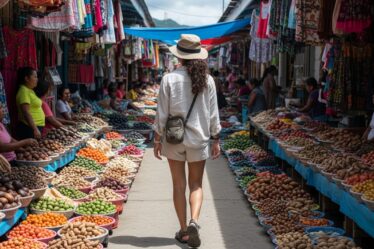
Bulgaria may be a small country on the map, but its culinary heritage is rich, diverse, and deeply rooted in history. Travelers often come for the mountains, monasteries, and Black Sea coast, yet many leave talking about the meals they enjoyed along the way. From hearty village recipes to vibrant street snacks and regional specialties, food is one of the most rewarding ways to understand Bulgarian culture. This guide to the best bulgarian travel food explores what to eat, where to try it, and why each dish matters, helping you experience the country through authentic flavors rather than tourist clichés.
Bulgarian cuisine reflects centuries of Thracian, Slavic, Ottoman, and Mediterranean influence, shaped by fertile land and a strong tradition of home cooking. When you explore the best bulgarian travel food scene, you are not just tasting dishes but stepping into local kitchens, markets, and family traditions that have survived generations.
Why Bulgarian Cuisine Is Perfect for Travelers
Bulgaria is a dream destination for food-focused travelers because meals are affordable, portions are generous, and recipes rely on fresh, seasonal ingredients. The best bulgarian travel food is often simple in preparation but rich in taste, using vegetables, dairy, herbs, and slow-cooked meats. Unlike cuisines built on heavy spices, Bulgarian dishes let natural flavors shine, which makes them easy to enjoy even for cautious eaters.
Another reason Bulgarian food stands out is its regional variety. Mountain areas favor warming stews and grilled meats, while coastal regions lean toward lighter dishes with fish and vegetables. Exploring different regions means discovering new interpretations of the best bulgarian travel food, even when the dish name stays the same.
Traditional Starters You Should Never Skip
Shopska Salad: Bulgaria’s Culinary Signature
No exploration of Bulgarian food feels complete without Shopska salad. Made with tomatoes, cucumbers, onions, peppers, and topped with grated white sirene cheese, it represents freshness and balance. This dish is a cornerstone of the best bulgarian travel food experience because it appears everywhere, from roadside restaurants to upscale taverns, yet always tastes slightly different depending on the produce and cheese.
Tarator: A Refreshing Classic
Tarator is a cold yogurt soup mixed with cucumbers, garlic, dill, walnuts, and water. Especially popular in summer, it shows how dairy plays a central role in Bulgarian cuisine. Travelers often discover tarator early in their journey and remember it as one of the most refreshing examples of best bulgarian travel food thanks to its cooling effect after a long day of sightseeing.
Main Dishes That Define Bulgarian Cooking
Banitsa: More Than Just Pastry
Banitsa is a layered pastry made with filo dough, eggs, and sirene cheese. While often eaten for breakfast, it can appear at any time of day. Some versions include spinach, pumpkin, or minced meat. As part of the best bulgarian travel food tradition, banitsa is deeply tied to celebrations and family gatherings, making it more than just a quick bite.
Kavarma: Slow-Cooked Comfort
Kavarma is a slow-cooked stew prepared in clay pots with meat, onions, peppers, tomatoes, and herbs. Pork and chicken are common, though vegetarian versions exist. This dish represents the hearty side of the best bulgarian travel food, ideal for colder months or after exploring mountainous regions.
Kebapche and Kyufte: Street Food Essentials
Grilled minced meat rolls (kebapche) and patties (kyufte) are popular across Bulgaria. Seasoned simply with salt, pepper, and herbs, they are usually served with fries, salad, or bread. These grilled classics are essential to understanding best bulgarian travel food, especially if you enjoy casual meals in local eateries rather than formal restaurants.
Regional Specialties Worth Traveling For
Rhodope Mountains: Patatnik
In the Rhodope region, patatnik stands out as a unique potato-based dish mixed with onions, herbs, and sometimes cheese. Cooked slowly in a pan, it reflects mountain cooking traditions. Discovering patatnik is often a highlight for travelers seeking lesser-known best bulgarian travel food beyond mainstream menus.
Black Sea Coast: Fresh Fish Dishes
Along the coast, grilled or fried fish becomes part of daily life. Species like sprat, mackerel, and bonito are common. These coastal meals add a lighter dimension to the best bulgarian travel food landscape, especially when paired with local white wine or a seaside view.
Central Bulgaria: Stuffed Peppers
Stuffed peppers filled with rice, herbs, and sometimes minced meat are a staple in central regions. Served warm or cold, they demonstrate how Bulgarian cuisine adapts simple ingredients into satisfying meals. For many visitors, these peppers become a comforting favorite within the best bulgarian travel food category.
Dairy, Bread, and Side Dishes That Complete the Table
Bulgarian meals are rarely just one dish. Yogurt, bread, and side plates are essential. Bulgarian yogurt is known for its specific bacterial culture, giving it a thick texture and tangy taste. Bread is often served warm, sometimes paired with colorful spice mixes or savory spreads. These supporting elements quietly elevate the best bulgarian travel food, turning meals into shared experiences rather than individual plates.
Desserts and Sweet Traditions
Baklava and Beyond
Baklava appears throughout the Balkans, but Bulgarian versions tend to be less sweet, allowing nuts and pastry to stand out. Alongside baklava, desserts like tikvenik, a pumpkin-filled pastry, showcase seasonal ingredients. Sweets are not the main focus of Bulgarian cuisine, yet they still play an important role in rounding out the best bulgarian travel food experience.
Kiselo Mlyako with Honey
A simple bowl of yogurt topped with honey and walnuts can feel surprisingly indulgent. This dessert highlights Bulgaria’s love for dairy and natural sweetness, reinforcing why even the simplest dishes belong among the best bulgarian travel food options.
How to Experience Bulgarian Food Like a Local
To truly understand Bulgarian cuisine, travelers should eat where locals eat. Small taverns, village restaurants, and market stalls often serve more authentic meals than tourist-focused spots. Ordering daily specials or asking for recommendations leads to unexpected discoveries of best bulgarian travel food that may not appear on English menus.
Another tip is to embrace shared dining. Bulgarians enjoy placing multiple dishes on the table and eating together, sampling a bit of everything. This approach allows travelers to experience a wider range of best bulgarian travel food in a single meal.
Modern Takes on Traditional Bulgarian Dishes
In larger cities like Sofia and Plovdiv, chefs are reinterpreting classic recipes with modern techniques. While respecting tradition, they present familiar flavors in new ways. These restaurants show how the best bulgarian travel food continues to evolve without losing its identity, appealing to travelers who appreciate both heritage and innovation.
Conclusion: Why Bulgarian Food Deserves a Place on Your Travel Bucket List
Bulgarian cuisine may not have the global fame of some European food cultures, but it offers depth, authenticity, and warmth that leaves a lasting impression. From fresh salads and comforting stews to grilled street food and simple desserts, every meal tells a story of land, history, and community. Exploring the best bulgarian travel food is not just about eating well; it is about connecting with a culture that values hospitality and honest cooking. For travelers willing to look beyond familiar dishes, Bulgaria rewards curiosity with flavors that feel both comforting and new.