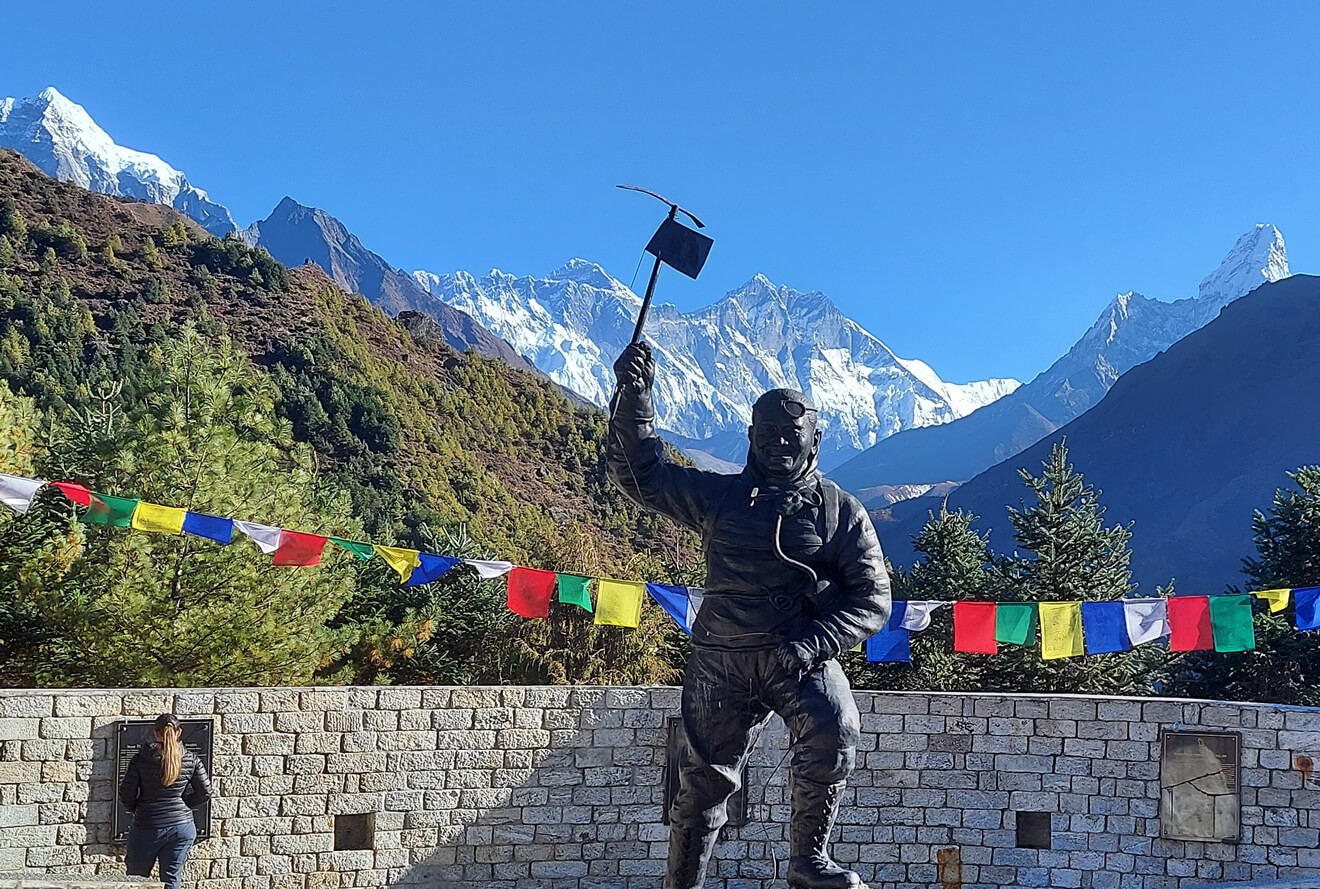
Tucked away among rugged mountains and winding rivers, soq valley is a destination that rewards curiosity with quiet beauty and cultural depth. This valley is not about grand crowds or glossy attractions; it is about landscapes that feel untouched, stories carried through generations, and a pace of life that encourages reflection. Travelers and researchers alike are drawn to its layered geography, resilient communities, and the way nature and tradition coexist without strain.
Geography and Landscape
The physical character of soq valley is defined by sharp contrasts. Steep slopes descend into fertile plains where streams braid through fields and orchards. Rock formations rise like natural walls, offering protection from harsh winds while shaping microclimates below. The valley floor is often carpeted with wild grasses, while higher elevations host sparse forests clinging to stone. This dramatic topography makes the region both visually striking and ecologically diverse.
Climate and Best Time to Visit
Weather patterns in soq valley are shaped by altitude. Summers are mild, with warm days and cool evenings that make outdoor exploration comfortable. Winters bring snowfall to the upper reaches, feeding rivers and replenishing soil. Spring is especially notable, as melting snow awakens the valley with blossoms and migrating birds. Autumn offers clear skies and golden hues, ideal for those seeking calm and clarity.
History and Cultural Roots
Human presence in soq valley stretches back centuries. Archaeological remnants suggest early settlements that relied on agriculture and seasonal trade routes. Over time, the valley became a crossroads of ideas and customs, blending influences while preserving a strong local identity. Oral histories remain an important record, with elders recounting tales of migration, survival, and cooperation that shaped community values.
Flora and Fauna
Biodiversity is one of the valley’s quiet strengths. In soq valley, native plants have adapted to steep gradients and shifting temperatures. Medicinal herbs grow alongside hardy shrubs, while fruit trees thrive near water sources. Wildlife includes small mammals, birds of prey, and migratory species that rely on the valley as a seasonal refuge. This balance between plant and animal life highlights the importance of careful land stewardship.
Local Communities and Traditions
Life in soq valley is guided by rhythms older than modern schedules. Villages are close-knit, with shared labor during planting and harvest seasons. Craft traditions such as weaving, woodwork, and metalwork are passed down within families. Festivals mark agricultural milestones, blending music, food, and ritual into gatherings that strengthen social bonds and reaffirm identity.
Activities and Exploration
For visitors, soq valley offers meaningful engagement rather than spectacle. Hiking trails follow ancient paths once used by traders and herders. Guided walks reveal geological features and traditional farming techniques. Photography enthusiasts appreciate changing light across rock faces, while scholars find opportunities to study sustainable living practices. Each activity emphasizes respect for place and people.
Sustainable Travel and Preservation
Sustainability is not a trend here; it is a necessity. In soq valley, resource use is measured and intentional. Water is carefully managed, grazing is rotated, and construction favors local materials. Visitors are encouraged to follow these principles, supporting small businesses and minimizing environmental impact to ensure the valley’s resilience for future generations.
Practical Tips for Visitors
Planning a visit to soq valley requires awareness and flexibility. Infrastructure is modest, so preparation matters. Weather can shift quickly, and communication networks may be limited. Engaging local guides enhances safety and understanding, while learning basic phrases and customs fosters goodwill. Thoughtful travel enriches both guest and host.
Why This Valley Matters
Beyond its scenery, soq valley stands as a living example of harmony between humans and nature. It demonstrates how communities can adapt without erasing their past, and how landscapes can be protected through everyday choices. Its lessons are subtle but enduring.
Conclusion
The enduring appeal of soq valley lies in its authenticity. It is a place where silence carries meaning, where land and culture inform one another, and where visitors leave with insight rather than souvenirs. By approaching it with curiosity and respect, one gains a deeper appreciation for valleys like this that quietly sustain both people and the planet.