Distributed software applications cause serious bottlenecks in today’s enterprise operating systems. Up to 20 percent of engineering staff’s and operational leadership time is spent moving data from one disjointed software application to another. This data duplication process results in human errors, delays in decision-making, and additional expenses. To overcome this inefficiency, a new methodology for the operationalization of management is coming to the fore, called tarkifle weniocalsi, which integrates structured system architecture in the back-end with adaptive, real-time implementation layers.
This comprehensive guide provides a detailed account of the deployment of this cutting-edge framework by modern organisations. You will discover how to make complex cross-departmental workflows more efficient, optimize your operational logging pipelines, lower administration costs and scale your digital operations securely without adding to the technical complexity.
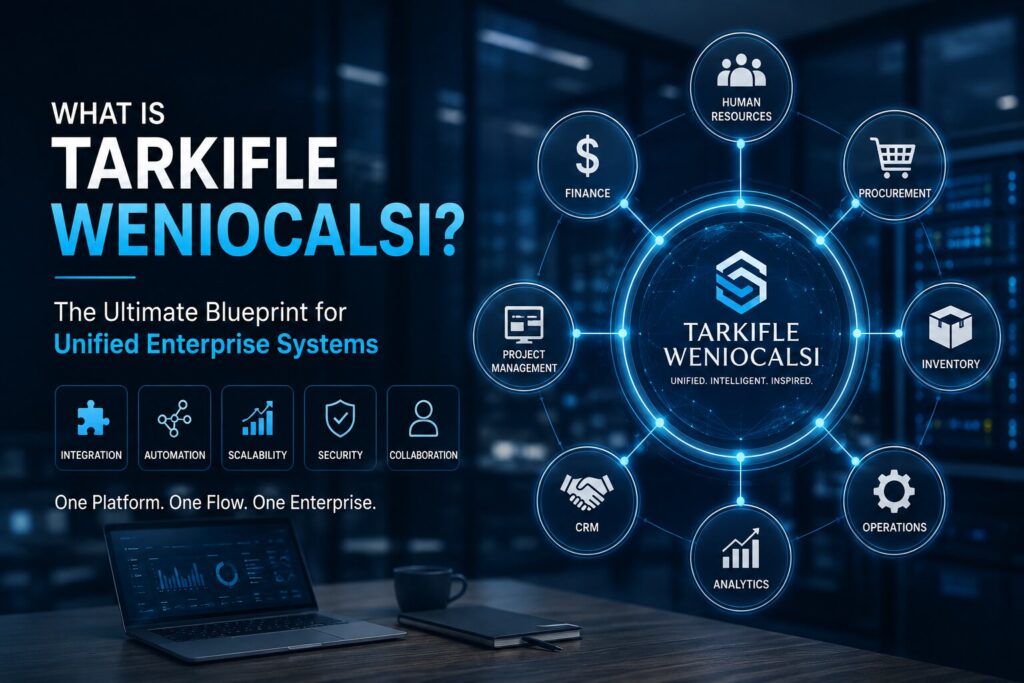
Defining Tarkifle Weniocalsi and Its Core Operational Mechanics
Tarkifle weniocalsi is a combination between operational management and other management systems which has been designed specifically for complex multi-layered digital ecosystems. Its business value can only be understood if analyzed through the two different structural core components.
The core structural software engine, server hardware and static database infrastructure is called “Tarkifle.” It makes sure that the system stays stable, controls user logins, and ensures the integrity of the main database.
The dynamic part, “Weniocalsi”, represents real-time adaptation, behavioral tracking, and the constant refinement of algorithms. It serves as a smart middle man, responding to human behavior and system traffic in real time.
The traditional models for software integration are rule-based and static scripts. These hard-coded scripts often fail if there are changes to other third-party data formats or API structures. This double-layer system, on the other hand, analyzes the interactions of users continuously. It proactively modifies the data routing rules, memory allocation and user interface according to the current system load and the actual operation requirements.
Key Architectural Components
- Central Engine (Tarkifle): Responsible for maintaining primary Application Programming Interface (API) connections, relational database queries, security protocols and core system access boundaries on all connected corporate networks.
- Adaptive Layer (Weniocalsi): Tracks execution speed and alerts to operational issues, optimizes network payloads and adjusts routine business rules automatically without manual coding.
- User Interaction Layer: Provides end users with individual, real-time data visualizers and optimized task dashboards – without having to customize it for each user.
The combination of static structural stability and dynamic behavior adaptation enables the framework to lower operational data-lag by up to 60 percent over distributed enterprise networks.
The Four Core Pillars of Tarkifle Weniocalsi
There are four standards that are essential to every successful enterprise deployment. The absence of any of these pillars makes the system less flexible, more vulnerable to security attacks and more likely to result in future technological debts.
1. Unified Integration
Isolated databases have a significant impact on critical business decisions and lack of visibility into operations. The framework provides standardised API pipelines, enabling direct integration of legacy back-end databases with modern cloud applications. The consolidated structure means that any changes to data are immediately reflected in accounting, CRM and inventory software systems at the same time.
2. Behavioral Tracking
Software systems should evolve to accommodate actual human activities, instead of compelling employees to follow tedious manual methods. The framework is continually monitoring user navigation patterns, mouse movements, and task completion times. It then clears unnecessary software clicks, automatically fills out repetitive forms, and expedites everyday jobs for staff members in various departments.
3. Automated Triggering
Automated Background event schedules are used to conduct routine administrative tasks. The system automatically initiates a succession of operations across platforms when certain predefined conditions are met, without manual actions. It handles customer refund requests, creates daily financial reconciliations and forwards critical technical support tickets immediately.
4. Continuous Refinement
Digital operation needs to change constantly with the changes in the global market, traffic and operational requirements. In times of peak utilization, machine learning algorithms evaluate past performance data, server performance, and resource usage to adjust server loads dynamically.
How Tarkifle Weniocalsi Manages Operational Logs
Transparent and actionable event tracking is crucial for system stability, performance optimization, and enterprise security. Raw technical telemetry data is collected from all software microservices and is processed into structured operational intelligence (OI) by the operational logging.
| Log Category | Primary Metric Tracked | Business Outcome |
| System Health | Server uptime, API response latency, memory usage | Prevents software crashes and maintains high platform availability |
| User Activity | Session duration, click pathways, task completion speed | Identifies user friction points and optimizes software interfaces |
| Security Audits | Access token attempts, permission changes, IP logs | Prevents unauthorized data access and ensures strict regulatory compliance |
System administrators structure the raw log data into visual dashboards that offer a clear view of software bugs, memory leaks and infrastructure bottlenecks, before they affect the end-user experience.
In today’s business landscape, where executives are juggling these remote infrastructure systems as they conduct business abroad, reliable digital connectivity and personal wellbeing are vital. Discover how to optimise business logistics and wellness on your next Bangkok trip, ensuring high business productivity when out and about.
Practical Industry Applications Across Global Sectors
Businesses in different industries use tarkifle weniocalsi to overcome cross-departmental challenges and optimize workflow.
Supply Chain and Freight Logistics
Thousands of moving transport units cross international borders every day, and are handled by global logistics companies. With adaptive tracking algorithms, the system follows real-time weather predictions, delays at the border, port congestion, and fuel consumption rates. The platform automatically reroutes delivery trucks and adjusts customer delivery estimates in real time when there are shipping disruptions.
Digital Publishing and Content Platforms
In the case of major breaking news events, high-traffic digital media sites take millions of visits by users at a time. The framework uses adaptive resource allocation to analyze real-time reader retention, the number of comments made, and traffic surges on the server. The platform automatically optimizes image compression levels, allocates cloud resources as needed and tailors the content recommendations to the engagement of the active users.
Enterprise Corporate Travel and Management
International and global businesses need to coordinate employee travel dates, hotel bookings, emergency security measures and foreign travel cost tracking. When people need to travel out of the country and at the same time have very tight work deadlines, they are likely navigating the culinary wonders of Bangkoks Sukhumvit district between significant business events for team building and cultural enrichment.
In complex enterprise software networks, systems theory principles will need to be adhered to, ensuring that the various software sub-components function together to achieve a common goal.
Step-by-Step System Implementation Strategy
To make an adaptive framework work within an already operating organization, it’s necessary to take a step-by-step and systematic method to lessen the effect on the operations and ensure that the software is steady.
Comprehensive System Audit
Document all current software platforms, databases, third-party application interfaces and data transfer points by department. Pinpoint frequent communication issues, data duplications, and unnecessary time delays within operations.
Establish Centralized Logging Protocols
Install a unified log-tracking solution on all key server nodes, database management systems and user software interfaces. Set up real-time monitoring tools to capture system response times, error rates, network latency and average task completion times.
Automate High-Frequency Workflows
Create API triggers that are based on rules and automate repetitive tasks that take up a lot of administrative time. Integrate disparate software applications with standardized middleware endpoints for seamless data synchronization and to avoid data entry mistakes.
Monitor, Evaluate, and Iterate Monthly
Look at operational log analytics and system performance dashboards monthly. Test and validate automatic response rates, collect direct feedback from the user and fine tune the parameters to the machine learning for gradual enhancement of the overall system efficiency over time.
Overcoming Common Implementation Obstacles
New digital management organisations often pose technical, financial, and organizational issues. These challenges need to be taken head on by the executive leaders to guarantee enterprise-wide adoption and usage.
Eliminating Employee Resistance to Change
Part of the challenge with automating paper system workflows with software is that staff members may be reluctant to change or eliminate clearly established and comfortable manual processes. Management needs to deliver clear, specific video tutorials, practical workshops, and show how the new framework will remove mundane administrative tasks and allow employees to change their focus to more creative value-added projects.
Controlling Cloud Data Storage Costs
Unfiltered system logging produces a huge volume of telemetry, resulting in cost surprise cloud storage bills. Engineering teams need to create intelligent log filtering rules that will temporarily hold common events in logs and permanently preserve critical security events, financial transactions, and system errors for future audit.
Conclusion
In today’s competitive global landscape, businesses need flexible, data-driven management strategies to stay competitive. Legacy software systems are inflexible and inefficient in the use of corporate resources, costly to maintain and hinder business execution. By implementing tarkifle weniocalsi, growing organizations have a flexible and adaptable blueprint for long-term technical scalability and operational excellence.
This seamless integration of static software backends with dynamic human workflows creates resilient operational ecosystems that can evolve with the market’s needs and new digital challenges.
Frequently Asked Questions
1. What is the primary function of tarkifle weniocalsi in business operations?
The tarkifle weniocalsi model can be used as an adaptive management model, it can be shared on multiple software applications and repetitive data transfers can be automated in real time across the enterprise with optimal human workflow.
2. How do operational logs support a tarkifle weniocalsi implementation?
Operational logs track system performance, software bugs, security threats, and user actions. They offer transparent data to system administrators, enabling them to optimize workflow, avoid crashes and address technical problems promptly.
3. Can small and medium-sized businesses apply tarkifle weniocalsi concepts?
Yes. Small and medium companies can apply these concepts by leveraging the integration of automated API’s and modern connection platforms with their daily digital tools and systems, including CRM software and inventory software.
4. How does tarkifle weniocalsi differ from traditional software automation?
Static, rigid rules are the basis for standard automation, but break when data formats change. This model constantly monitors live systems and dynamically alters workflow routing, resource allocation, and data processing.
5. How often should management teams review their tarkifle weniocalsi performance metrics?
Real-time automated system alerts need to be constantly monitored by IT and Operations teams. System parameters should be continually optimized through full quarterly strategy, security and workflow performance reviews by executive leadership.